The butter coffee crash
If you are a health-conscious urban working Pacific Islander woman, you have most likely seen the spectacular promises of the ketogenic diet. Mainstream fitness experts, silicon valley biohackers, and social media influencers swear that cutting out carbs and loading your plate with grass-fed butter, MCT oil, and high-fat proteins is the ultimate way to melt body fat. They infer that entering a state of deep ketosis turns your body into a permanent fat-burning machine, giving you razor-sharp focus and endless mental energy to blast through your corporate workweek.
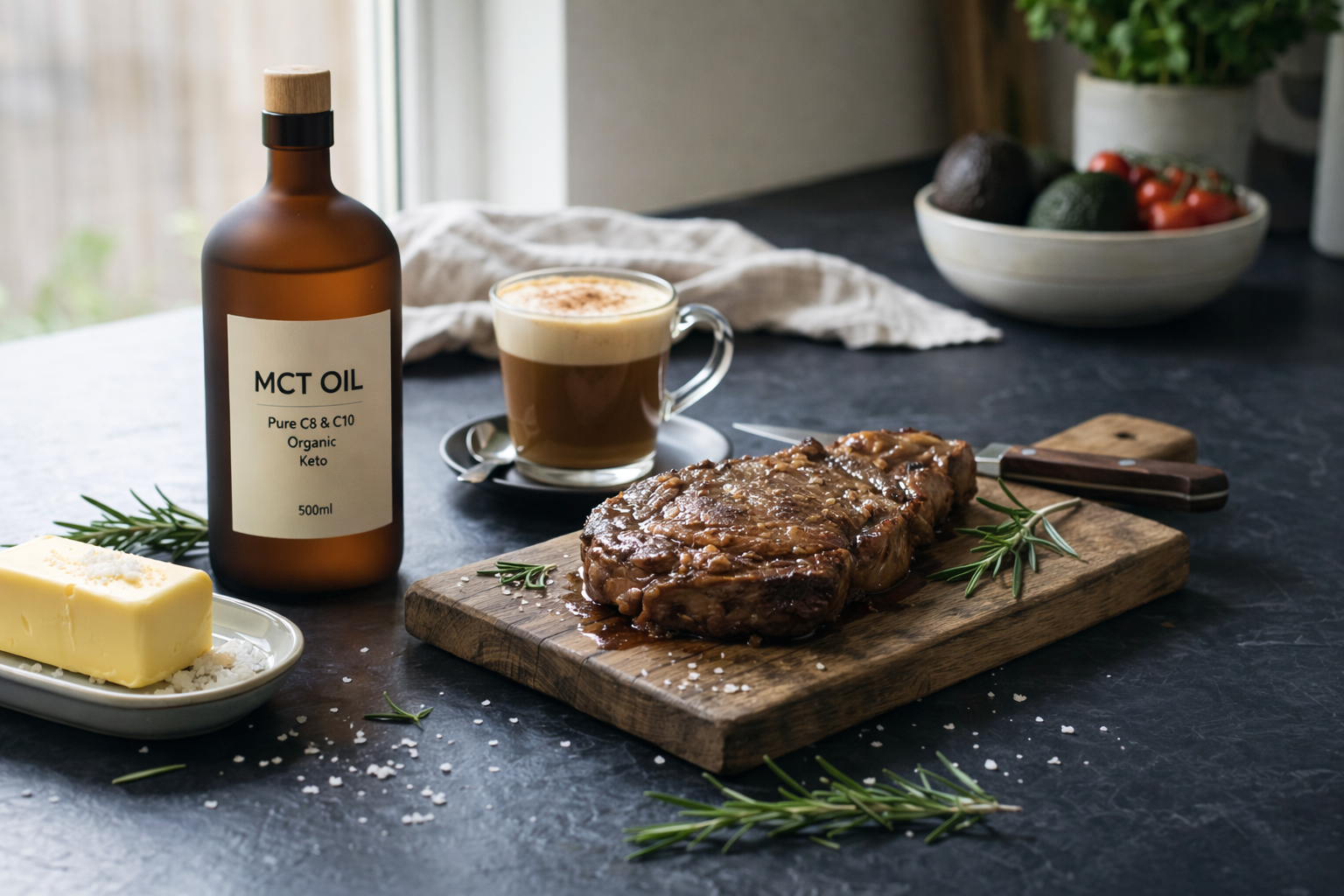
Desperate to escape constant daytime fatigue and stubborn bloating, many urban Pacific Islander women dive straight into these high-fat protocols. They swap out their regular meals for heavy ribeye steaks, remove the starchy vegetables from their plates, and load up their morning coffees with big fat spoons of butter.
Instead of feeling bulletproof, a different reality soon sets in. The science behind keto absolutely makes sense–for Caucasian people. If you’re a mixed race Pacific Islander (like me and many of us), maybe it worked, maybe it didn’t. If it didn’t, read on, it will all make sense by the end.
Important Note: This information is based entirely on my own personal research and health journey. I am not a medical professional, so please always do your own research and consult a doctor before changing your routine. We are all unique and our genetic mixes fall on a sliding scale rather than one-size-fits-all, so consider these points as simple, empowering tools to help you uncover your own optimal nutrigenomics path.
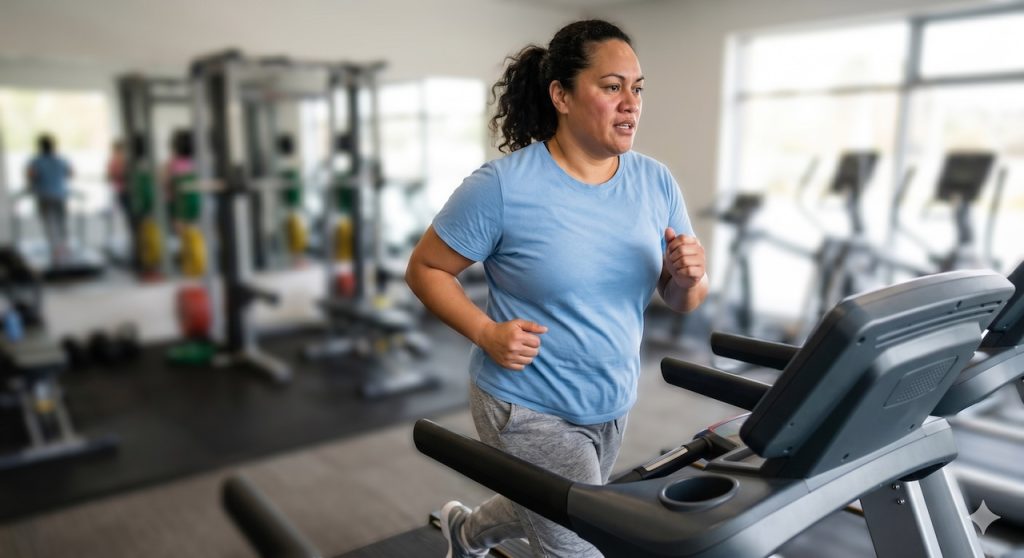
Within a few weeks of starting a strict keto plan, many islander women find themselves hitting a massive physical wall. Energy drops to a concerning low. The scales refuse to move. Instead of flattening out, the midsection handles the influx of concentrated fats by expanding into a heavy, inflamed bloat. Even worse, the sudden lack of grounding carbohydrates leaves the system in a state of high internal panic, completely ruining sleep and triggering severe mood crashes by afternoon (hangry, anyone?).
Over the years I’ve tried keto for significant amounts of time with varying results at different ages, and the butter coffee just didn’t sit well in my stomach. I didn’t particularly lose any fat but the last time around, I actually gained a bit of weight – realising that, I quickly stopped and immediately felt better. I didn’t mind the butter coffees (once I realised it needs aeration to taste like a rich, creamy vanilla latte), but I did mind how they made my stomach feel straight after.
Mainstream nutrition gurus tell us that if keto fails, we just aren’t being strict enough, somehow it’s our fault. They tell us to cut more carbs, track our macros harder, and add more fat. However, the ancestral genetic make-up of a Pacific Islander tells a completely different story.
When a woman from our shared island heritage adopts a standard low-carb, high-fat lifestyle, she is introducing severe metabolic friction to her system. More on this is explained in my book, The Pacific Protocol, but read on for more about the topic and to kickstart your own research.
The islander starvation signal
To understand why loading your system with refined oils backfires, we have to look at the unique evolutionary economy of our lineage. For thousands of years, our ancestors navigated extreme selective pressures. Survival required a highly adaptive blueprint that could protect the body from sudden nutrient scarcity, long ocean migrations, and tropical pathogens.
This created what evolutionary biologists call a starvation-response strategy. Our bodies became absolute masterpieces at preserving energy, partitioning calories, and aggressively storing lipids to protect against a perceived famine.
Mainstream keto advocates claim that eating high fat and zero carbs mimics a state of fasting, forcing the body to cleanly burn down its own fat stores. But for a Pacific Islander, completely stripping away natural root starches doesn’t trigger a clean fat-burning mode. It triggers an absolute code-red survival emergency.
When your cells register an absence of the grounding, slow-burning starches they adapted to expect, they assume a severe environmental crisis or famine has hit. Your ancient genetics instantly kick into their default conservation program.
Instead of opening up fat cells to be burned, your system locks down your fat stores to keep you alive. Your resting metabolic rate slows to a crawl, your body begins conserving most of the calories you consume, and you enter a state of significant internal survival stress.
Refined fats and deep belly fat
Standard ketogenic protocols rely heavily on a massive intake of isolated, concentrated fats, even when people choose high-quality grass-fed butter, cold-pressed avocado oils, or pure coconut fats. The islander digestive tract handles refined fats entirely differently than whole-food fat structures.
When our ancestors consumed healthy fats inside their native environments, those lipids were always bound tightly inside a whole-food matrix. Fats from fresh seafood, wild pork, or whole coconuts were always accompanied by dense plant fibres, phytochemical diversity, and complex mineral anchors. The body had to work slowly and methodically to digest them.
Modern keto diets completely bypass this slow process by flooding the system with refined, isolated fats stripped of their natural matrices.
Flooding of isolated fats ➔ Triggers cellular deprivation signal ➔ Visceral adipose tissue expansion ➔ Systemic metaflammation & noon lethargy
When an urban islander woman consumes these concentrated fats, her thrifty metabolic mechanics treat the massive influx of isolated lipids as a signal of profound environmental imbalance. Instead of utilising these fats for clean energy, the body aggressively routes them straight into visceral adipose tissue expansion (visceral fat), which is alarming because this is the deep, dangerous fat that packs tightly around your internal organs.
This rapid expansion of deep belly fat triggers a state of chronic, low-grade metabolic inflammation that clinicians call metaflammation. This continuous internal friction impairs your gut immunity, bogs down cellular communication, and results in that distinct, heavy noon lethargy that leaves you feeling completely wiped out after a supposedly “healthy” high-fat meal.
Why high fat can trigger internal friction
The inflammation caused by a strict keto diet impacts your weight and introduces a significant amount of physical friction directly to your gut-brain-liver axis.
Your liver is your body’s primary control center for processing nutrients and clearing out waste. When you flood a thrifty metabolism with an extreme, unbuffered delivery of fats and high animal proteins, you place an immense metabolic load on your liver pathways. This processing crisis completely disrupts how your body regulates energy and filters toxins through the day.
A major multi-ethnic clinical trial led by researchers at the University of Oxford investigated the precise impact of high-fat dietary changes on liver fat accumulation and systemic insulin resistance across different genetic cohorts. The researchers discovered that when individuals with highly efficient, energy-conserving genetics are shifted onto high-saturated-fat protocols, their livers respond with an immediate, rapid accumulation of intrahepatic triglycerides, meaning fat gets trapped inside the liver tissue itself within mere days.
This toxic fat trapping stalls your liver’s clearance mechanisms. When your liver is bogged down processing an avalanche of fats, it can no longer cleanly filter out used hormones or cellular debris.
For many women, this hormonal backlog forces used estrogens and stress metabolites to seep back into the bloodstream, where they can end up causing severe skin irritation, cystic congestion, and unsightly adult back acne breakouts that are frequently observed to worsen during low-carb or high-fat trend diets.

Ancestral starches protect your health
The solution to your energy crashes and metabolic friction isn’t found in cutting out carbs or tracking your macros down to the gram. The path out of this survival trap requires you to step away from mainstream diet trends and return to the specific carbohydrate food matrices your body is genetically pre-programmed to process.
A breakthrough genetic sequencing study published by a team of global investigators, mapped the profound evolutionary traits that govern the energy economies of Oceanic lineages.
The data revealed that our ancestral biology carries unique, highly specialised pathways designed to smoothly partition glucose away from dangerous visceral fat and channel it directly into lean mass buffering. Our systems do not want to run on a continuous fuel supply of isolated, processed fats. They want the stable, slow-dripping glucose that comes from traditional whole starches.
When you consume complex ancestral root starches—like native sweet potatoes, boiled yams, or cassava—your body doesn’t experience a violent blood sugar spike. Because these starches are packed with tough crystalline fibres and resistant starch, they break down incredibly slowly.
They provide a gentle, continuous trickle of fuel that satisfies your brain’s energy demands, completely switches off the internal starvation signal, and allows your metabolism to smoothly step into a fat-burning baseline.
The Keto exit strategy
It is not a complex overhaul to smoothly transition your system away from high-fat friction and restore perfect metabolic safety during a busy urban workweek. You just need to structure your daily meals around a clean, automated balance of grounding proteins, low-fermentation greens, and strategic root starches.
Here is the strategy to eliminate bloating and optimise your cellular engine:
The Protein Anchor: Always start your meal by building a rock-solid foundation of lean, bioavailable protein. Sourcing high-quality options like baked wild salmon, grilled chicken breast, lean beef mince, or white fish ensures you prime your stomach acid production and slow down your overall rate of digestion before a single carb enters your mouth.
The Low-Fermentation Green Buffer: Balance your plate with gentle, soft-cooked vegetables such as peeled carrots, soft zucchini, or steamed green beans. Completely avoid raw, rough green salads or heavy cruciferous blends that irritate a sensitive, stress-impacted gut lining.
The Ancestral Carbohydrate Cap: Finish your plate with a controlled, $\frac{1}{2}$ cup portion of slow-burning root starches. Utilizing white-fleshed sweet potatoes, steamed yams, or cassava provides your distal gut with the essential resistant starch required to stabilize your blood sugar lines for hours.
The Culinary Fat Boundary: Keep your cooking fats clean, minimal, and fully unrefined. Use small dashes of cold-pressed avocado oil or a light touch of grass-fed beef fat to enhance flavour, completely banishing the heavy cream pours and excessive oil keto trends that overwhelm your liver.
Transition into islander nutrition
Shifting your body out of low-carb survival panic and back into smooth, automated regulation requires a gentle, deliberate progression. Follow this timeline over the next week to cleanly re-introduce ancestral fuel matrices without shocking your digestive tract:
| Phase | Daily Focus | Dietary Adjustment | Biological Purpose |
| Days 1 to 2 | Drop the Isolated Trend Fats | Remove heavy cream, MCT oil, and excessive butter from your morning coffee and meals. | Instantly reduces the toxic fat-trapping load on your liver clearance pathways. |
| Days 3 to 4 | Anchor the Protein Floor | Implement the Protein-First Rule, consuming your clean protein anchor before any other food group. | Manually triggers optimal stomach acid and primes your upper digestive enzymes. |
| Days 5 to 6 | Introduce the Grounding Starches | Add a precise 1/2 cup portion of steamed white sweet potato or boiled yam to your afternoon meal. | Safely turns off the cellular starvation signal and calms late-afternoon cortisol spikes. |
| Day 7 | Lock in the Circadian Fast | Complete your final bite of grounding, protein-first whole foods by 6:30 PM every evening. | Provides your gut-brain-liver axis with a full 12 hours of uninterrupted rest and overnight repair. |
By walking through this transition methodically, you allow your cellular engine to smoothly recalibrate. You will watch your morning water retention vanish, your skin inflammation clear, and your daily productivity completely stabilise.

The Pacific Protocol
The heavy exhaustion, the stubborn visceral fat, and the persistent abdominal bloating you experience when pushing your body through a strict ketogenic diet does not mean you are broken or that your will is weak. your body is exhibiting it’s natural, highly organised, logical biological protests of an ancient ancestral genome that is being pushed to run on an, unnatural Western framework that causes chaos.
Mainstream fitness experts will continue to market high-fat trends and aggressive restriction as a one-size-fits-all cure for weight management, but true, lasting vitality has nothing to do with fighting your genetic nature.
By stepping completely away from the punishing rules of keto culture, removing isolated oils, and returning to the grounding strength of protein-first meals paired with slow-burning supermarket root crop workarounds, you give your cells exactly what they expect to receive. Your insulin signals find their natural balance, your liver clearances process waste cleanly, and your entire body steps out of emergency survival panic.
This practical, science-backed return to nutritional balance is the core foundational framework I have poured into my upcoming book, The Pacific Protocol, and its companion recipe book, Pacific Pan, which are launching very soon. We are changing the narrative of urban wellness, moving past the confusion of modern diet culture to support our genetic history and protect our daily vital energy.
Have you ever tried a strict low-carb or keto diet?
Are you ready to swap out isolated oils for the grounding power of protein-first meals and sweet potatoes?
Let me know your experiences and thoughts in the comments below!
*All images created in Gemini.
This article was written with the assistance of Gemini Deep Research.